
What Does a Pre-Shipment Inspection in Turkey Actually Cover?
Importers often ask what happens during a Turkey pre shipment inspection. While every product category has its own checkpoints, a professional PSI in Turkey follows a consistent framework built on the international AQL sampling standard ISO 2859-1.
1. Quantity verification
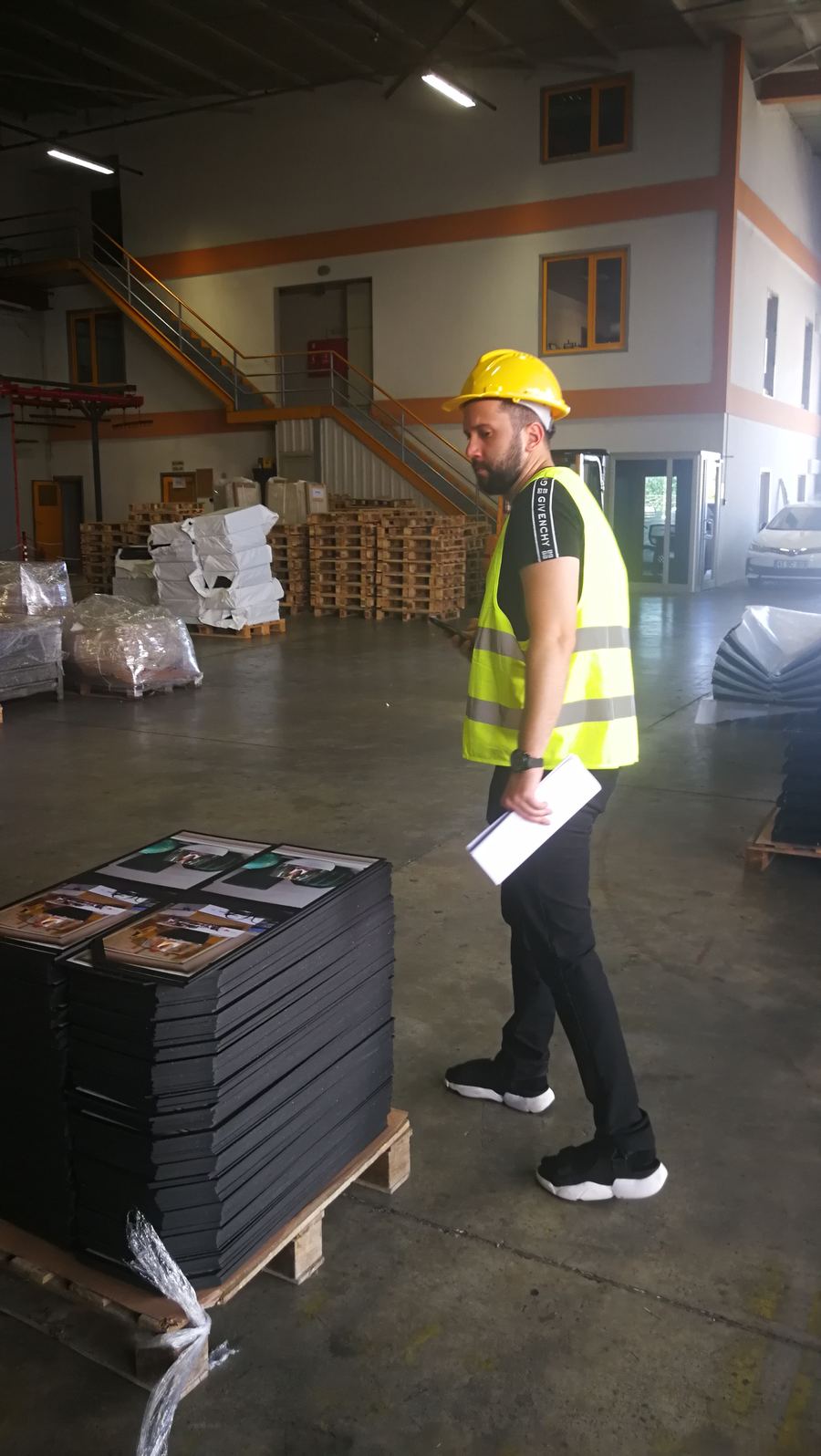
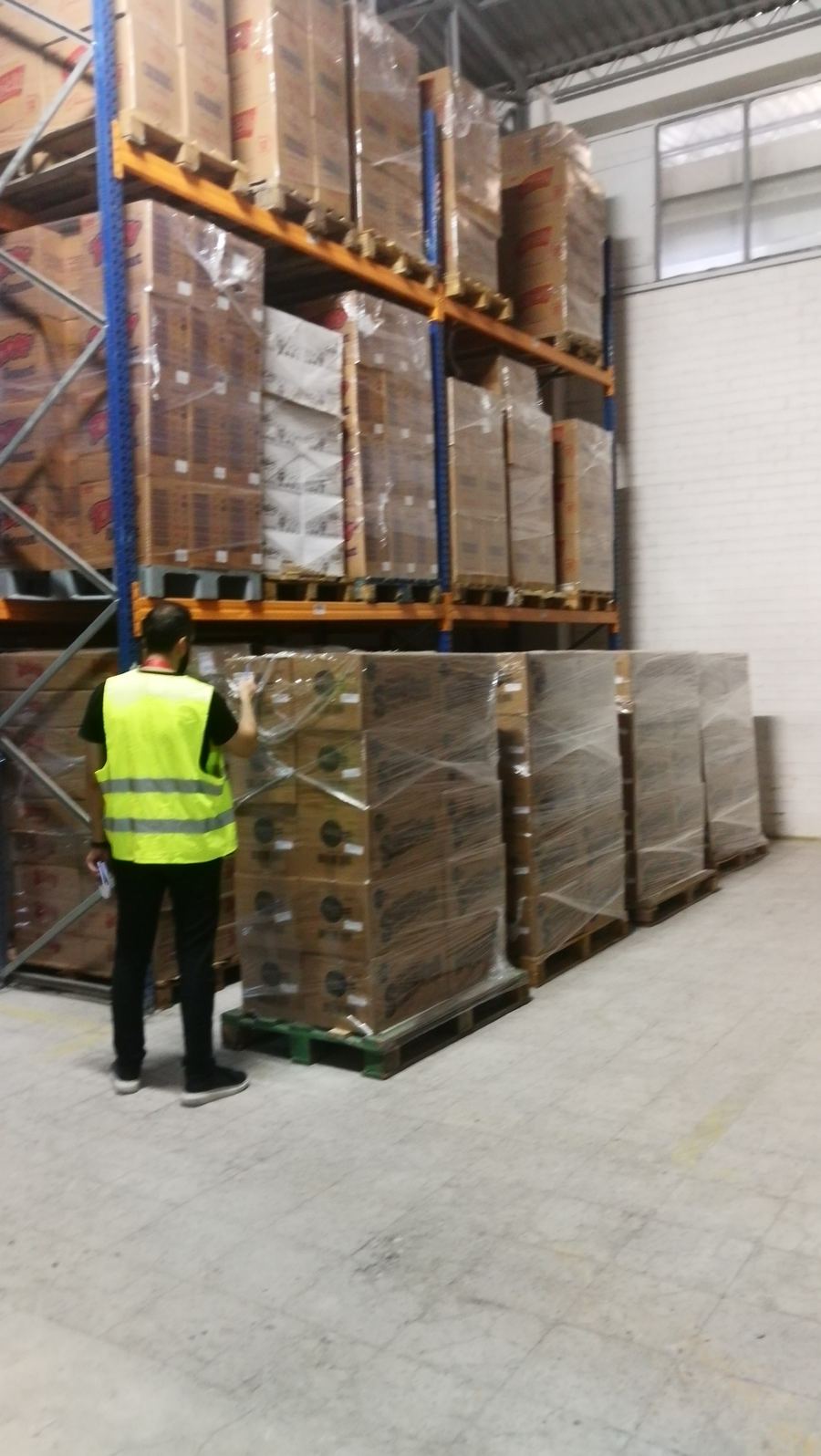
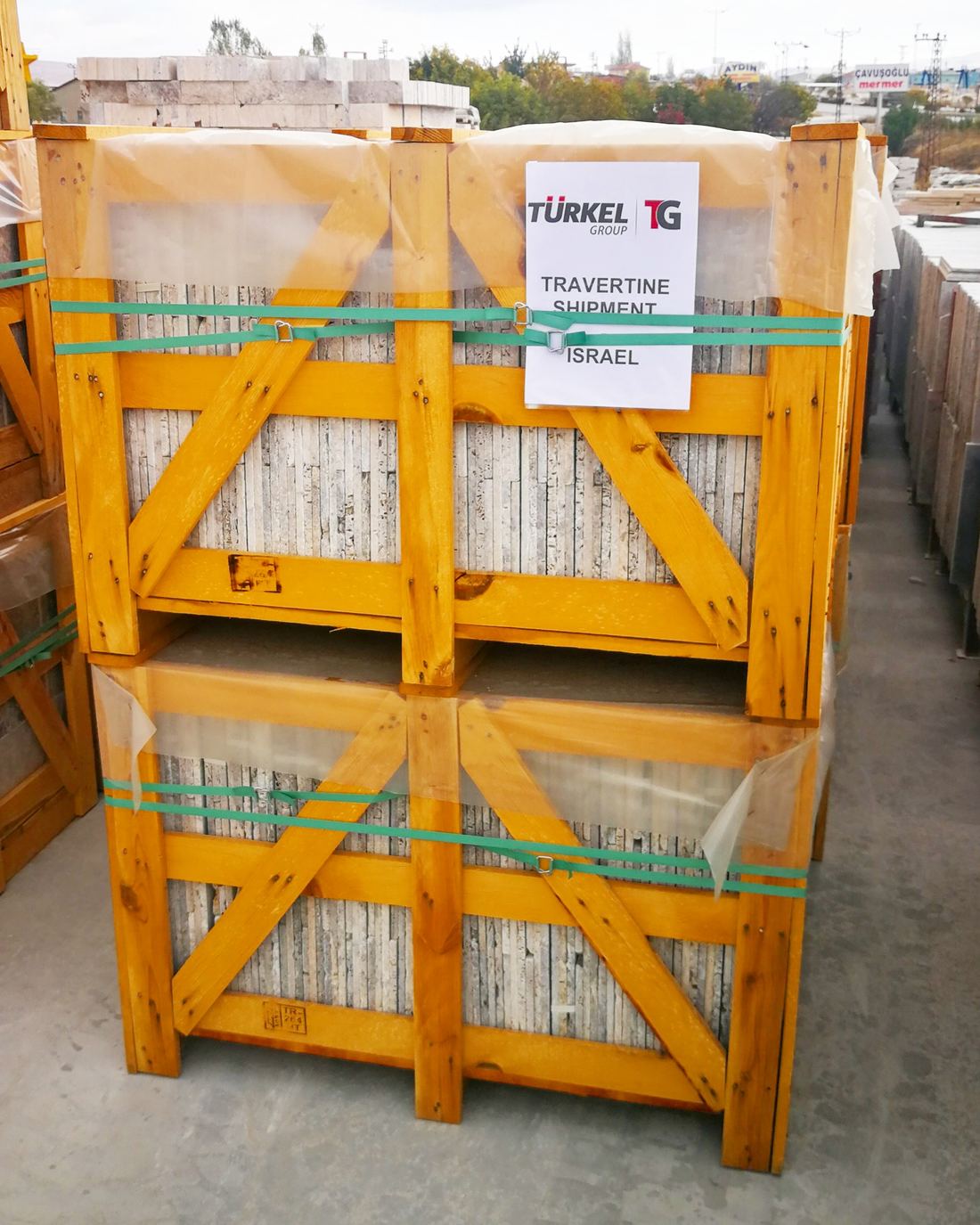
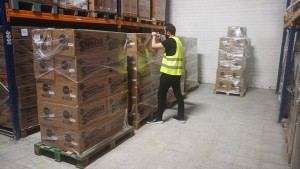
The inspector counts finished and packed cartons against your purchase order and packing list. Inspections are performed only when at least 80% of the order is produced and packed — inspecting earlier makes the sampling statistically meaningless and leaves room for substitution after the visit.
2. Random sampling to AQL
Cartons are selected at random from different pallets and production batches. From those cartons, a sample size defined by ISO 2859-1 is drawn. For most consumer goods the accepted limits are AQL 0 for critical defects, 2.5 for major defects and 4.0 for minor defects — though buyers can set stricter limits for premium products.
3. Workmanship, function, packaging and marking
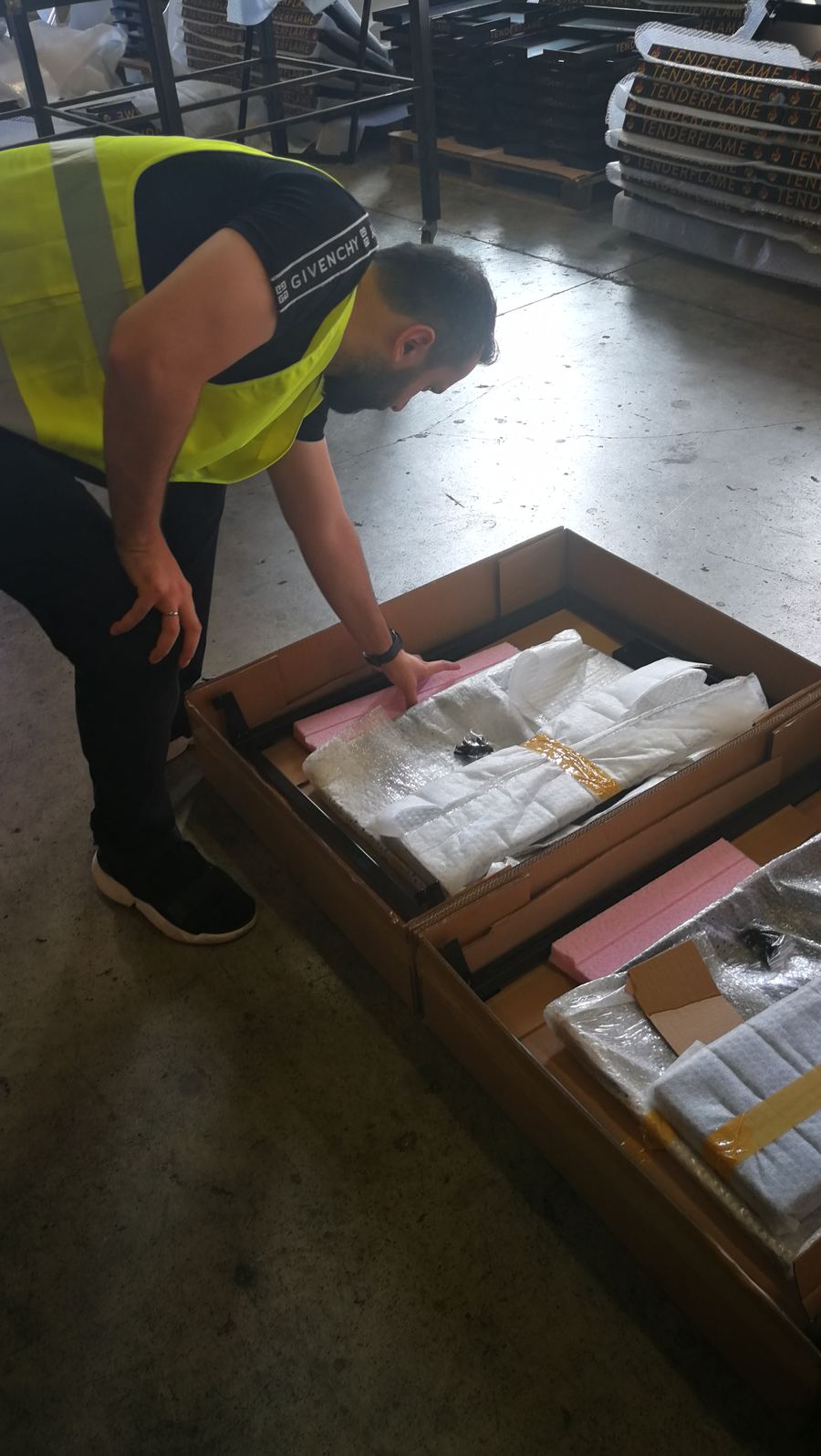
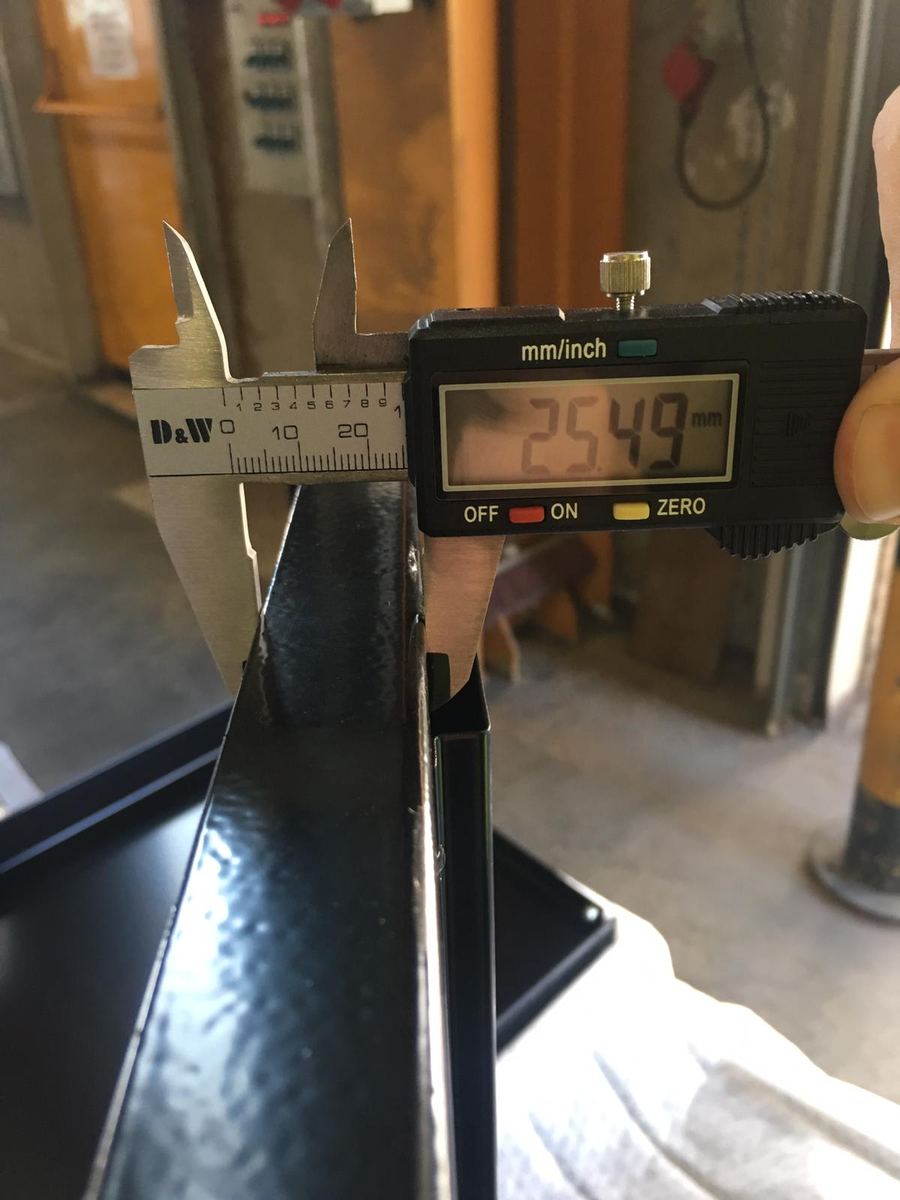
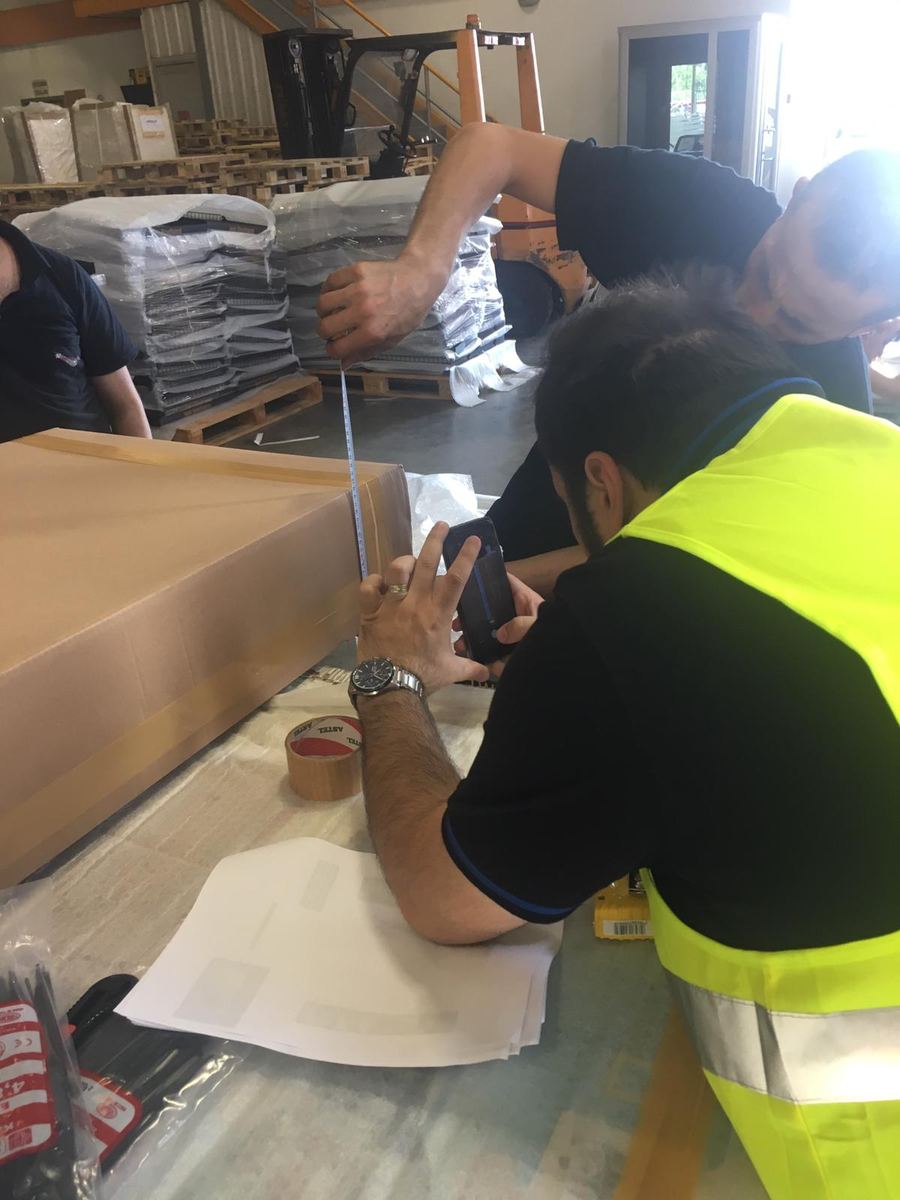
Each sampled unit is checked for visual defects and functional performance. Export cartons are checked for drop-resistance, correct barcodes, shipping marks, country-of-origin labelling ("Made in Türkiye") and destination-market compliance labels. Carton weights and dimensions are confirmed for freight calculations.
4. The report and your decision
Within 24–48 hours you receive a structured report with dozens of photographs and a clear result: passed, failed or pending. A failed inspection is not a disaster — it is leverage. With documented evidence in hand, importers negotiate rework, replacement or discounts before the goods ship, instead of fighting claims after arrival.